

Cannabis for Stress, Anxiety & Chronic Pain: What Actually Works
- POSTED ON July 8, 2026
- BY TORONTO WEED DELIVERY
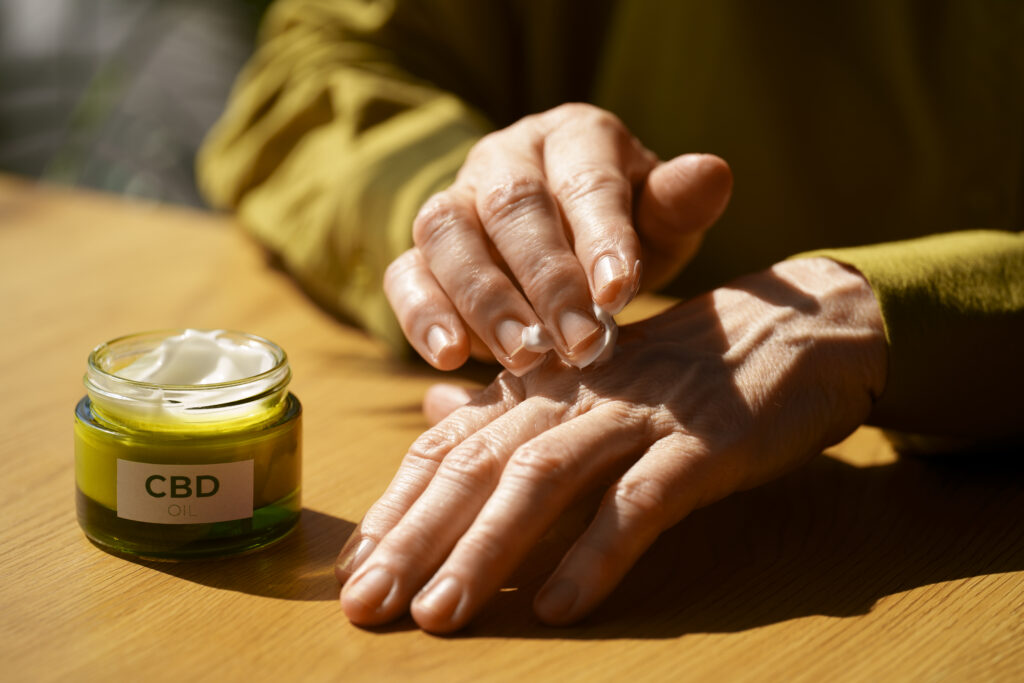
Table of Contents
I once ate an entire cannabis gummy on an empty stomach before a work trip, convinced nothing was happening, and spent the next four hours learning exactly why dosage matters more than anything else on this list. I'll tell you how that night ended, but first, here's the short answer to the question that probably brought you here.
Yes, cannabis can help some people manage stress, anxiety, and chronic pain, but the strain, dose, and method you choose matter just as much as the decision to try it at all.
Key Takeaways
- CBD-dominant products tend to calm anxiety without the high, while THC can help or hurt depending on the dose and the person.
- Chronic pain relief usually comes from a combination of THC and CBD, not one cannabinoid alone.
- Starting low and slow protects you from the two biggest risks: overdoing THC and mixing it carelessly with other medications.
My Own Wake-Up Call With Cannabis
I live in Toronto, and like a lot of people here, I turned to cannabis after months of tight shoulders, a racing mind at 1 a.m., and a lower back that never seemed to fully loosen up. I wasn't trying to get high. I was trying to feel normal again.
That gummy story I mentioned? I'd taken 10mg on an empty stomach, felt nothing after 45 minutes, and assumed the product was weak. I ate a second one. About ninety minutes later, both doses hit at once, and I spent a very long night convinced my heart was going to beat out of my chest.
Nothing about that night was dangerous, but it was miserable, and it taught me the one rule I now repeat to every friend who asks about edibles. Wait at least two hours before deciding you need more.
Why Stress and Anxiety Respond Differently to Cannabis
Cannabis works through your endocannabinoid system, a network that helps regulate mood, sleep, and your stress response. The two cannabinoids you'll hear about most are THC and CBD, and they behave almost like opposites.
THC is the compound that gets you high. CBD doesn't, which is why so many people managing a stress disorder reach for it during the day. I've found that high-THC products can just as easily spike my anxiety as calm it, especially if I'm already stressed going in.
If you're new to this, my honest advice is to treat CBD as the safer starting point. You can always add a little THC later once you know how your body responds.
Strains I'd Actually Recommend
I've tried a handful of strains over the past couple of years, and these are the ones that consistently worked for me and for friends who asked me for suggestions:
- ACDC: high CBD, low THC, and the closest thing to "clear-headed calm" I've found.
- Granddaddy Purple: a heavy indica I save for nighttime, since it knocks me out fast.
- Jack Herer: a sativa that lifts my mood without the racing thoughts THC sometimes brings.
- Cannatonic: a balanced option for mild relaxation during the day.
Everyone's body chemistry is different, so treat this as a starting list, not gospel. I'd rather you experiment slowly than assume my results are yours.
What Cannabis Can Actually Do for Chronic Pain
My lower back pain came from years of hunching over a laptop, and it's the reason I started looking at cannabis for pain in the first place. The science here is more established than it is for anxiety, mostly because pain is easier to measure.
THC binds to CB1 receptors in your brain and nervous system, which can change how you perceive pain. CBD works differently, easing inflammation through separate pathways rather than binding tightly to those same receptors. A 2018 review from the National Center for Complementary and Integrative Health looked at 47 studies covering 4,743 participants and found a modest benefit for chronic pain, particularly nerve-related pain.
That word "modest" matters. Cannabis isn't a miracle cure for chronic pain, but for people with arthritis, fibromyalgia, or nerve damage, it can be one useful tool among several.
Big Tip: If pain is localized, like a sore shoulder or achy knee, try a topical first. You get targeted relief without any of the head effects, which makes it a lower-risk way to test whether cannabinoids help your specific pain at all.
How I Learned to Match the Method to the Moment
The way you take cannabis changes everything about the experience, and figuring this out took me longer than I'd like to admit.
Smoking and vaping hit fast, usually within minutes, which makes dosing easier because you feel the effects almost right away. The tradeoff is lung irritation, especially with smoking.
Edibles are the opposite story. They take 30 minutes to two hours to kick in, which is exactly what got me into trouble that first night, but the relief lasts far longer, often six to eight hours.
Tinctures became my favorite once I found them. A few drops under the tongue absorb quickly, and it's much easier to control the dose than with a gummy you can't easily split.
If your goal is pain relief in one specific spot, a topical will do that without any psychoactive effects at all, which I think is underrated for people nervous about feeling "high."
Side Effects I Watch For, and You Should Too
Dry mouth and red eyes are the mild, almost boring side effects I deal with most often. A faster heart rate and a bit of dizziness show up occasionally, usually tied to a dose that was slightly too high for the moment.
The side effect that actually concerns me is medication interactions. Cannabis can affect how your body processes other drugs, so if you're on anything for your heart, mental health, or another chronic condition, talk to your doctor before you start. This is the one step I won't let anyone skip, and it's worth repeating even if it feels obvious.
I also want to be honest that long-term research is still catching up. Nobody, including me, has a full picture of what decades of regular use looks like, so I'd rather you go in informed than assume it's risk-free.
The Legal Piece You Can't Skip
Cannabis is legal for adult recreational and medical use across Canada, which is a big part of why services like same-day delivery exist in Toronto in the first place. If you're reading this elsewhere, the rules vary dramatically by country, so check your local laws before you order anything.
I've had friends visiting from the US get caught off guard by how different the legal landscape is just a few hours south, so don't assume your home rules travel with you.
What Helped My Friends Who Skipped Cannabis Entirely
Not everyone wants cannabis in the mix, and that's completely fair. A close friend of mine manages her anxiety almost entirely through a combination of daily walks and cognitive behavioural therapy, and she's done better with that than I initially expected.
Other things I've seen work well include meditation, regular exercise, acupuncture, and herbal options like valerian root or chamomile. None of these replace a conversation with a doctor or therapist, but they're worth exploring alongside or instead of cannabis, depending on what fits your life.
Finding Your Own Path to Relief
I won't pretend cannabis fixed everything for me, because it didn't. What it did was give me one more tool, alongside better sleep habits and a lot of trial and error, to feel like myself again on the hard days.
If you're thinking about trying cannabis for stress, anxiety, or chronic pain, start low, go slow, and loop in a healthcare provider if you're managing any other condition. For same-day cannabis delivery across Toronto, including CBD and THC edibles if that's the route you'd rather take, I'd be happy to have you check out what we carry.
We now deliver weed in Brampton, Hamilton and even Oakville.
FAQ
Can cannabis help with both stress and chronic pain? Yes, though the strain and cannabinoid ratio that works for stress isn't always the same one that works best for pain. I'd treat them as two separate experiments.
Is CBD or THC better for anxiety relief? CBD is generally the safer starting point since it won't intensify anxious thoughts. Some people do fine with low-dose THC too, but it's worth reading more in my breakdown of CBD vs THC for sleep and relaxation before you decide.
How do I start using cannabis for medical purposes? Talk to a healthcare provider first, especially if you take other medications, then start with the lowest dose available and give it time before adjusting.
Are there side effects I should watch for? Dry mouth, dizziness, and a faster heart rate are common and usually mild. If you want the fuller picture, including how cannabis interacts with mental health, I go deeper in this piece on cannabis and mental health myths versus facts.
What's the difference between smoking, vaping, and edibles? Smoking and vaping act fast but wear off sooner, while edibles take longer to kick in and last much longer. I break all of this down in my smoking vs vaping vs edibles comparison if you want the full pros and cons.
RECENT POSTS
- Where You Can Smoke Weed in Pickering (And Why Durham Isn’t Toronto)
- What does 5000mg THC actually mean on an edible?
- Can You Smoke Weed in Your Toronto Apartment or Condo? (Probably. But Read This First.)
- Does Weed Have Calories? A Straight Answer
- Every Recipe Says 7 Grams. Here’s How Much Weed You ACTUALLY Need.
- Where You Can Actually Smoke Weed in Toronto (And Where You Definitely Can’t)
- Working Out High: What Really Happens When You Use Weed Before the Gym
- Why More Toronto Seniors Are Adding Weed to Their Routine
- How Cannabis Fits Into a Holistic Wellness Routine in Toronto
- Does Cannabis Microdosing Actually Work? What the Research Shows
- Cannabis for Stress, Anxiety & Chronic Pain: What Actually Works
- How to Dose Edibles Safely and Enjoy Responsibly